
Early plotting and writing
Things happen between plotting and writing.

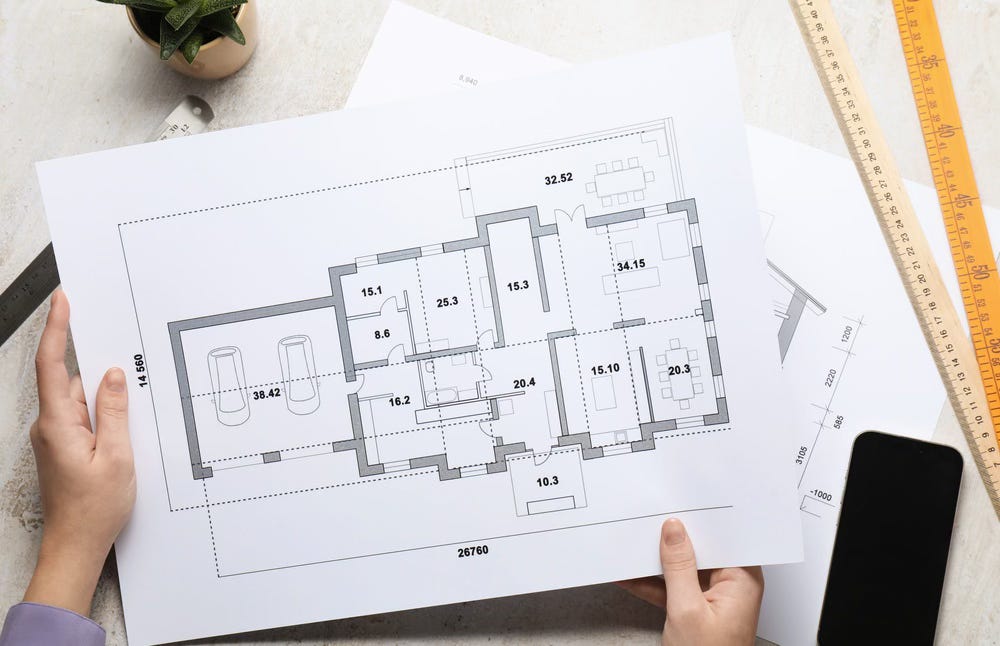
Plotting relates to writing like an architectural drawing of a house relates to building the house.
I am three scenes short of completing the first draft of my next book (working title: “A Venetian Inheritance”, but I’ll change it). It is my seventh historical fiction novel; it will be the eighth book I publish, and the fourth book in the series Rachele Modiano Mendes – the early years.
Before I started writing the first sentence, I had an overall plot, a breakdown into chapters, and a breakdown of each scene in a chapter. I had a high-level concept of the entire book. I updated the profiles of the fixed characters and profiled new characters. In other words, I had coffee with my characters, to use a phrase I heard for the first time from Kimberlee during a Writers’ Hour of the London Writers’ Salon four years ago. Also, I had done most of the research, answering questions like:
1) Was an internal switchboard common in medium-sized offices in Northern Italy in 1932?
2) How did the legal profession in Trieste transition from Austrian to Italian law post World War I (the border didn’t move, the Kingdom of Italy gained territories)?
3) Could Venice port authorities send a radio message to Port Said (the Mediterranean end of the Suez Canal) in 1932?
I thought I had thought of everything; I also found a map of the old port in Trieste, with all the warehouses, as it was in 1932.

Everything was sorted out before I started writing the first sentence. In the past, I have diverged from the plot whenever my characters led me astray, but I always knew where to return to the plot. Also, the distinction between the series “Rachele Modiano Mendes – the early years” and the other series “Rachele Modiano Mendes investigates” was clear-cut. Books in the former are set before World War II; books in the latter are set after World War II. The former consists of books around 40,000 words, the latter between 70,000 and 90,000.
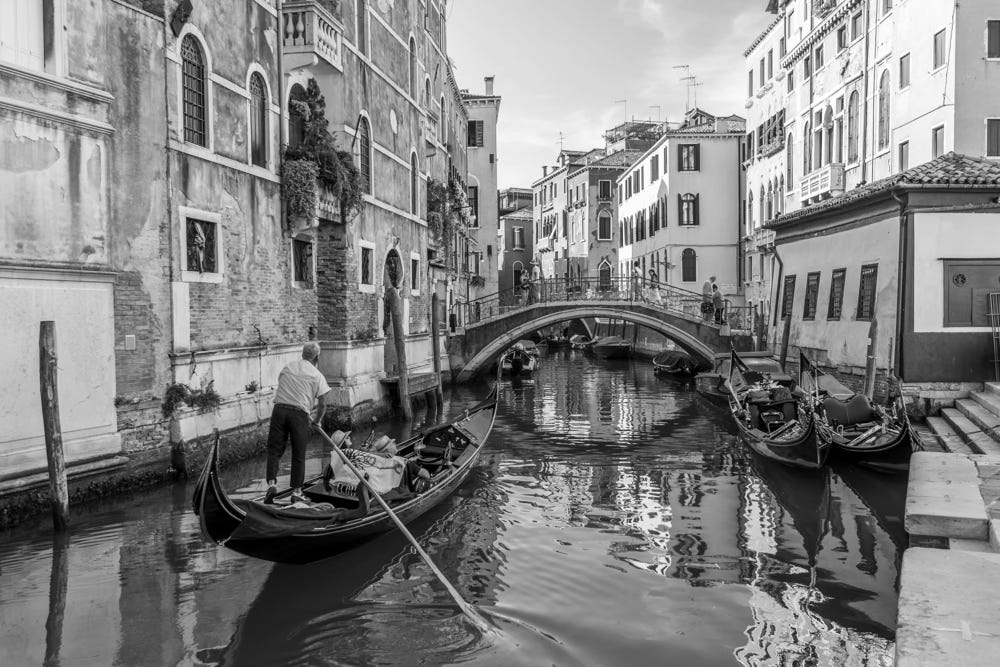
It all sounds easy and organised, except… now I find myself with a book set in 1932, which will be close to 70,000 words by the time I am done with it. Also, I realise the end is too fast-paced. In 1932 Italy, most people took August off. The middle class was going on holiday; the poorer members of society were taking advantage of factory closures to help in the country (and being paid for it). So, Rachele Modiano Mendes needs to reach a solution by July 29th, 1932, a Friday and the last working day of the month. I had planned everything, down to the last scene.
However, now that I am writing the last scenes, I realise that too much happened last week. Often, things happen one day, and the solution, or the answer to the question, comes a day later. The last week is too intense and possibly unrealistic.
Well, it looked all right in the plan, i.e. the plot. I wonder whether the second draft will be a complete rewrite with a different timeline. The story starts in mid-April and ends in July. Maybe if I expand the timeline, for instance, from February to July, it might be more realistic.
It is not straightforward. Around 30% of the novel consists of scenes related to Rachele Modiano Mendes’ family life. The calendar of Jewish holidays affects her family life. While I can change the time a ship docks at Trieste port from April to February, I cannot change when Passover starts or ends. So expanding the timeline would not be straightforward. There is also the tiny issue of consistency among books of the same series. Rachele is pregnant with her fourth child, who is supposed to be born towards the end of the year. Changing the timeline means changing all the references to morning sickness, etc. If her baby is due in December/early January, she cannot start her pregnancy in February. I can’t move Passover. It falls when it falls, and a pregnancy takes nine months, not eleven.
I have also come to the conclusion that a certain character needs a bigger role in the story, so I have to change that. There is also the matter of the character who only appears in the story as the person who controls things from afar, like a master puppeteer. In the first draft, he is referred to as ‘the man in Vienna’ (or from Vienna, depending). In one of the last scenes, he acquires a name: Franz Josef Wagner. I have decided he deserves a name earlier.
I love the world I outlined in the original plot. It doesn’t deserve to be thrown away. It just needs to be adjusted to take into account all the things that have transpired during the process of turning it into a book. Overall, it is a good thing I discovered these issues at the verge of closing the first draft. I have a lot to think about, and that is what revision is for. I also have time and can start once more from a new and improved plot.
Let me close by picking up the building metaphor again. I found a couple of cracks in the foundation, and I need to understand why they happened before I repair the structure so that I can carry on building.
New video
The video published this week is a short conversation about, Murders and Masterpieces – A Venetian mystery, set in Venice in 1950.
I have decided to publish a new video every other Wednesday, my life is hectic enough. Here is the link to the channel, please like, comment and subscribe it helps with the algorithm.
Self-Publishing mini guides.
I am working at a number of mini-guides covering specific aspects of self-publishing.
The first one is a free pdf that details some of the basic aspects of self-publishing.
https://buymeacoffee.com/silvanoauthor/e/509051
The second is also free and discusses why you need to buy your own ISBN.
https://buymeacoffee.com/silvanoauthor/e/509760
The third is not free, it is a 20 pages guide sharing what I learnt in the past three years. It allows you to turn a manuscript into a book on a shoestring budget. It costs USD 4 to download
https://buymeacoffee.com/silvanoauthor/e/516067
It is also available as an ebook from Amazon at a slightly higher price (USD 5)
Where to find my books
I don’t just publish on Amazon. My book are available directly from me (i.e. Perpetuum Mobile Publishing) if you live in the UK or the US, or via a number of other places if you are elsewhere. Go to this page to find all the links (including Amazon).
Also, if you always wanted to write a memoir, but don’t think you know how, check my promotional offer (valid until June 4th, 2026) here.
I have decided to keep my Substack free. However, if you decide to support my work, you can ‘buy me a coffee’ a one-off tip by clicking on this link, or you could buy one of my books (the link is in the caption of the last image below) or keep reading my posts, it is entirely up to you.
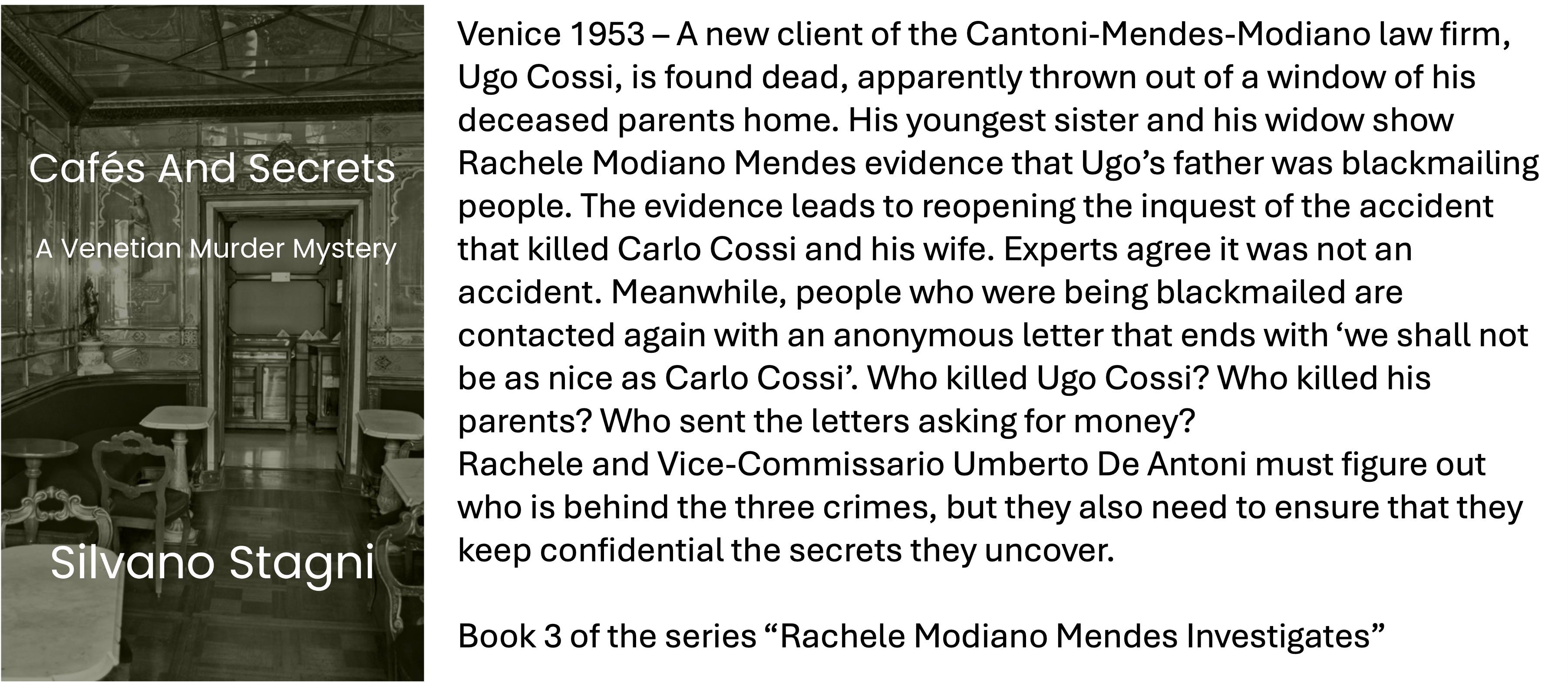
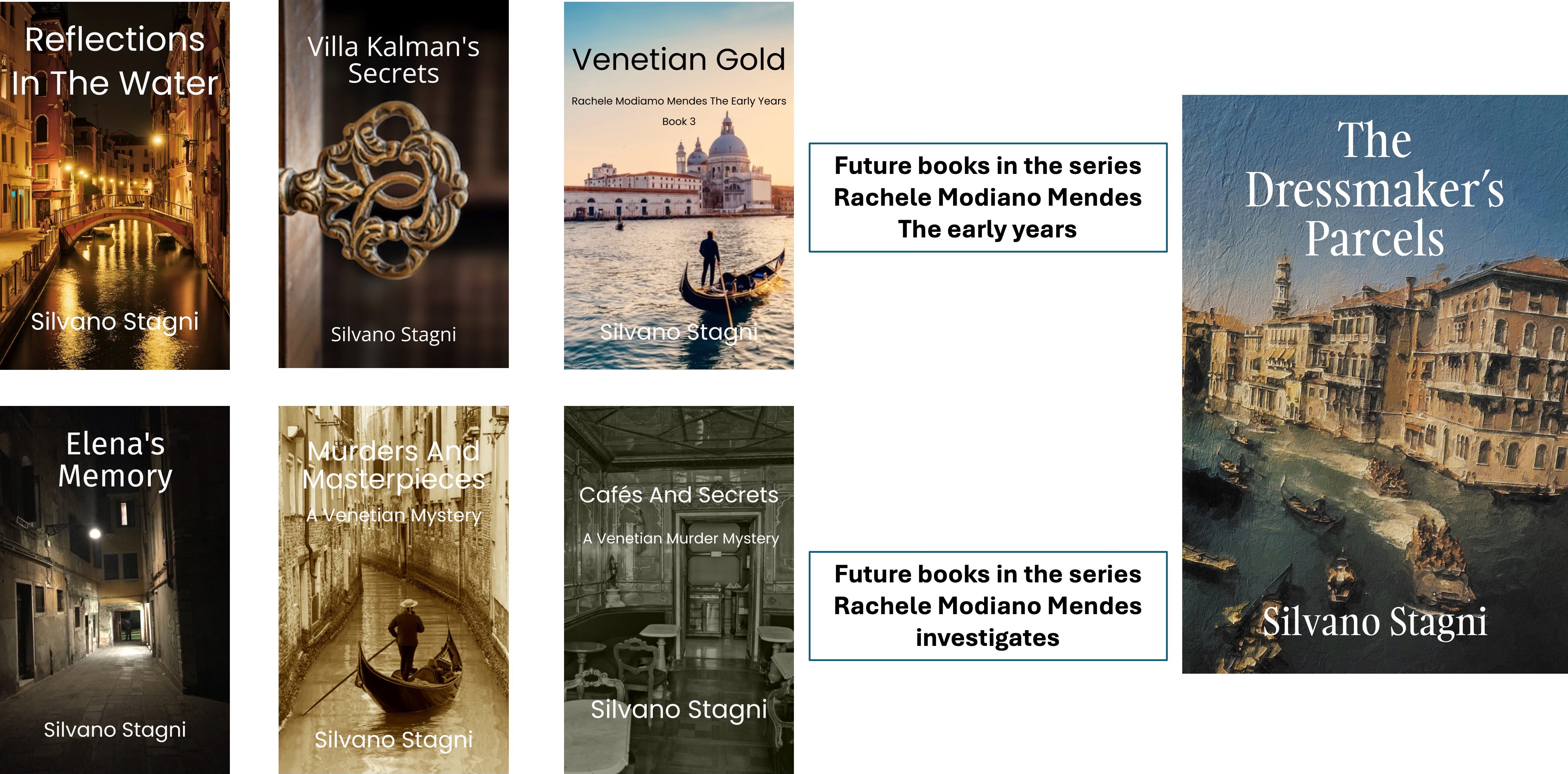
Click here to see my Author Portfolio
I know i have not commented before, or perhaps I did long ago, Silvano, but I simply want to say how much I admire your writing. Kudos to you for the novels, which I cannot fathom authoring. You have a gift and I do enjoy following your writing journey.
Ditto to Dawn's comment. That was a fascinating read Sylvano. My own subject -food history - seems ridiculously uncomplicated in comparison.